Tree advice for Outer Banks properties.
Start with what you are seeing. Explore practical guidance, understand the questions that matter, and know when an on-site assessment is the right next step.
Useful guidance for the decisions property owners face most.
These resources explain how to frame the concern, what context changes the recommendation, and what a practical next step can look like.
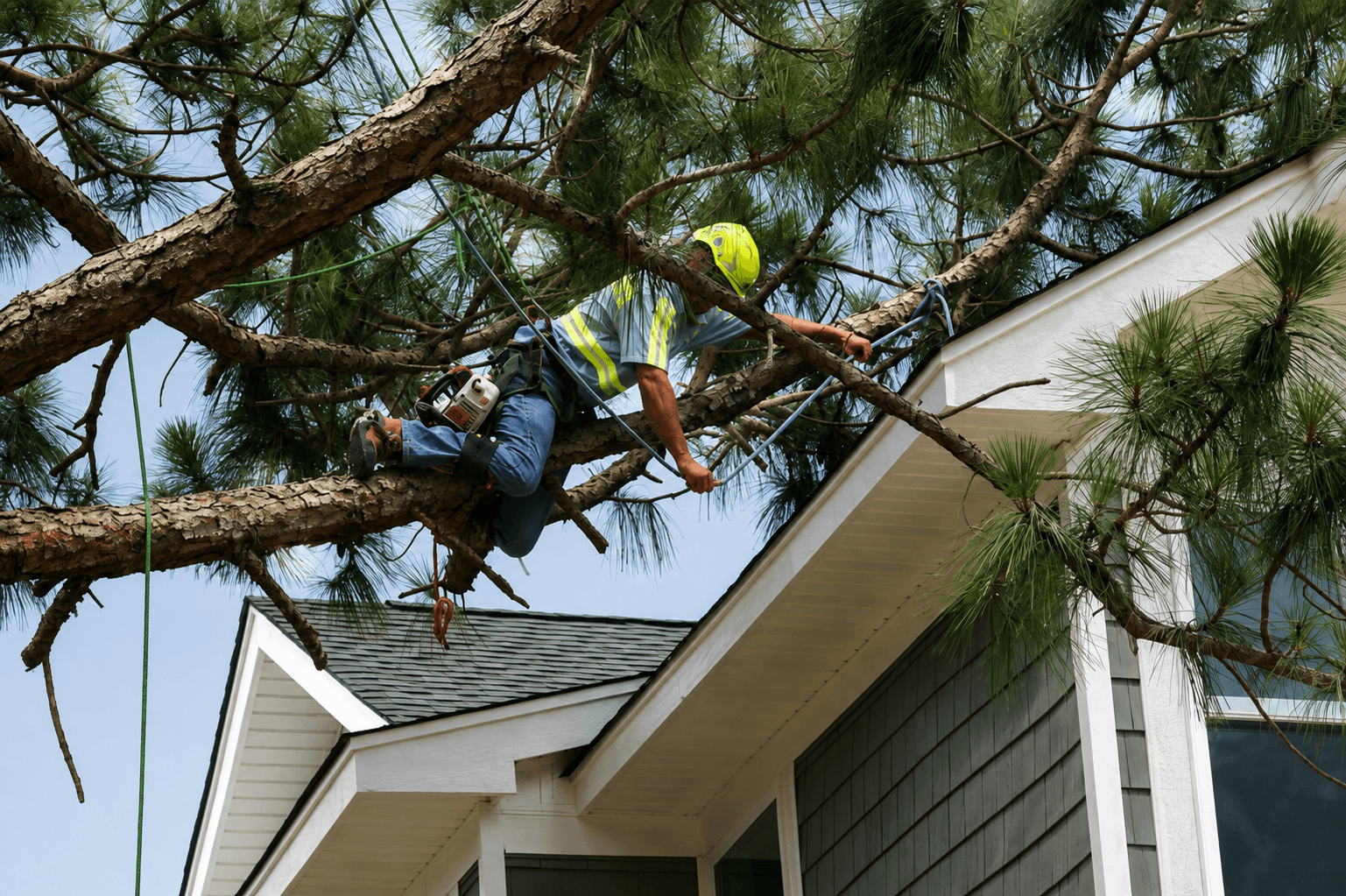
Five signs a tree deserves a closer look.
Tree assessment is not about declaring a tree safe or unsafe. It is a structured look at the tree, the site, the targets, and the changes that matter.
Read the guide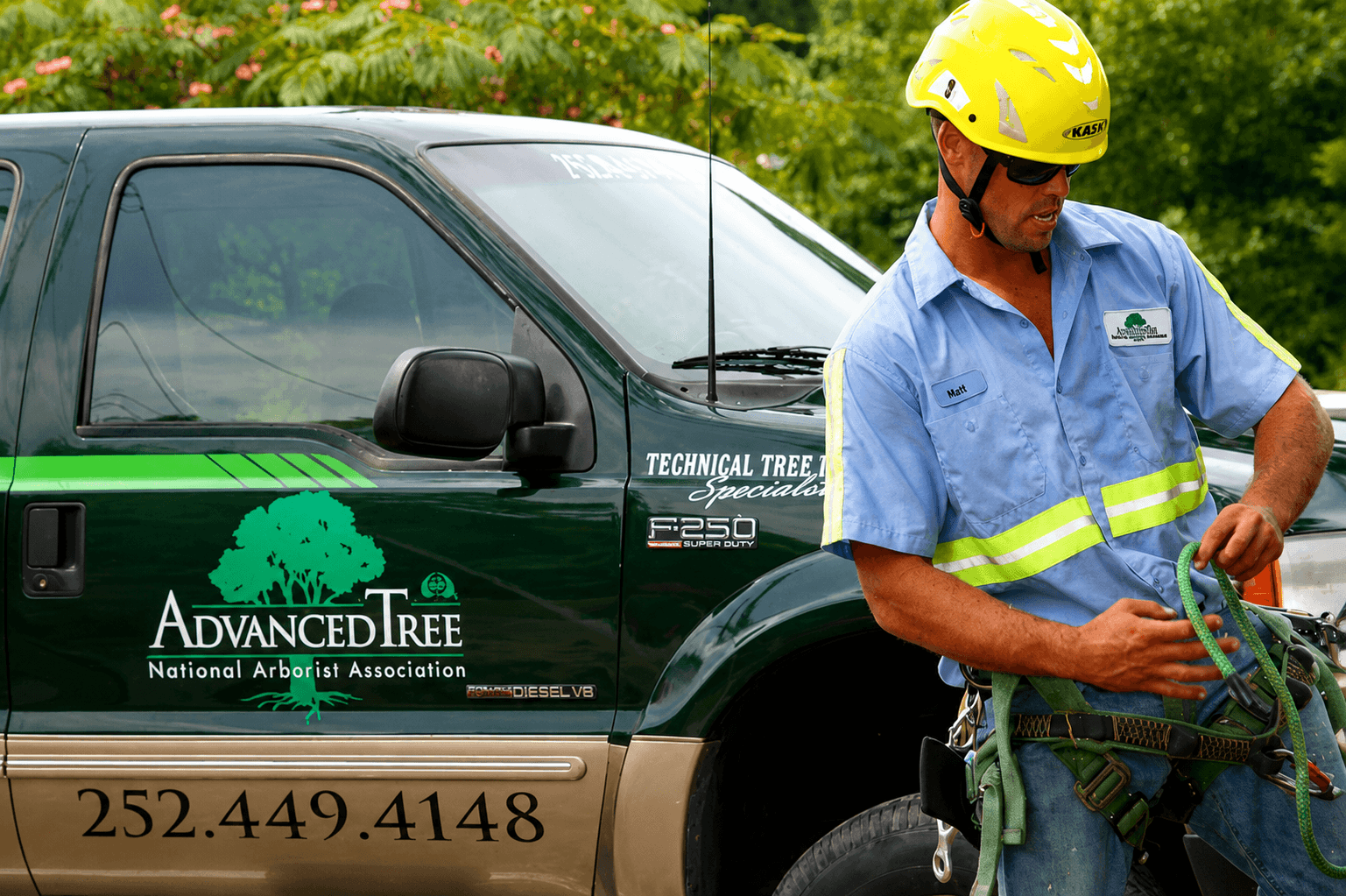
Preparing your trees before storm season.
Storm readiness is a property plan: identify meaningful concerns, protect access, document priorities, and make decisions before conditions become urgent.
Read the guide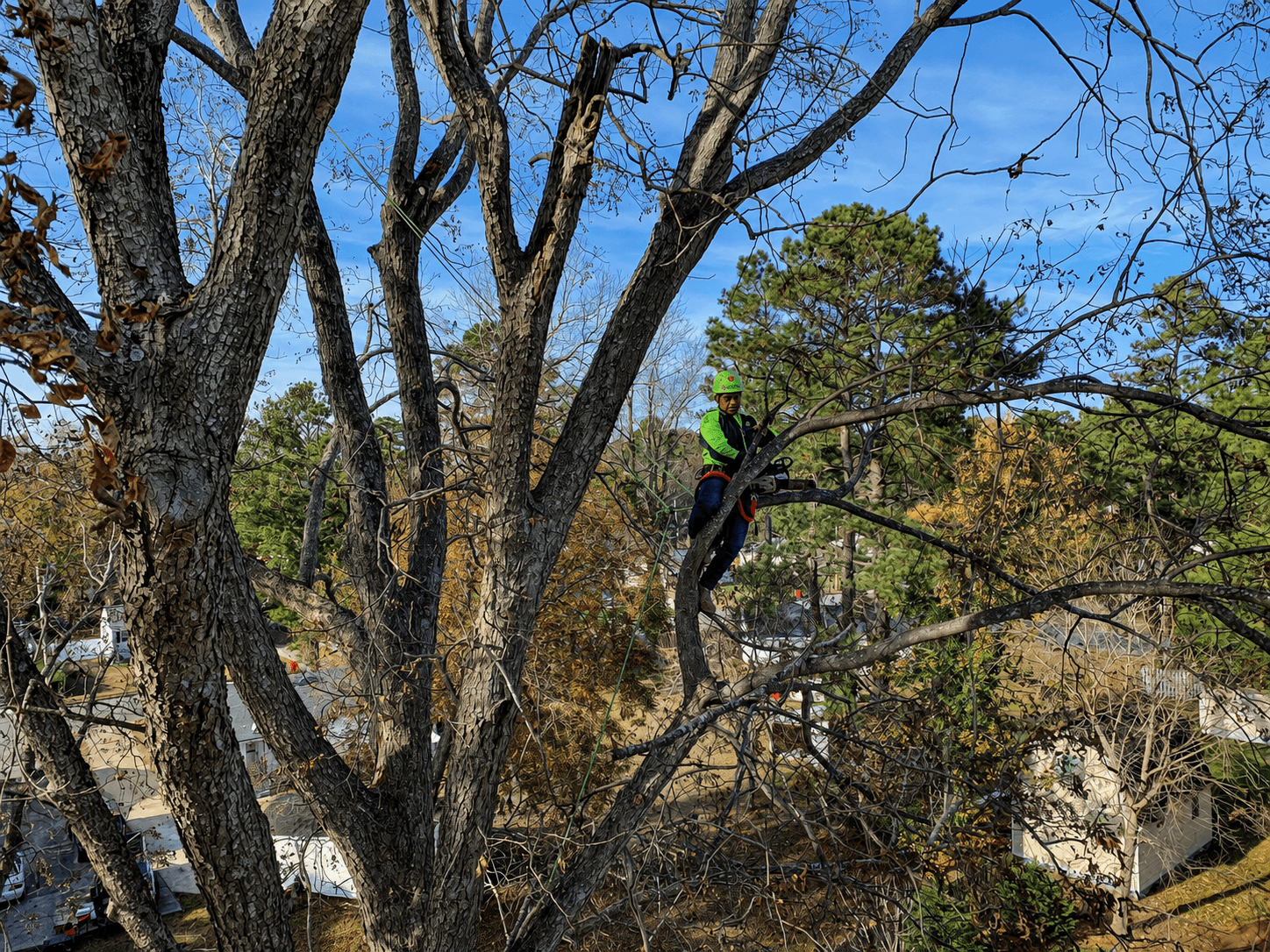
When should a coastal tree be pruned?
A useful pruning plan starts with the outcome the property needs, not an arbitrary season or a request to make the tree smaller.
Read the guideStart with the situation in front of you.
You do not need to know the service name. Choose the concern that feels closest, then use the guidance to prepare better questions.
A tree looks unsafe
Start with visible changes, nearby targets, and the urgency of what you are seeing.
Find a starting pointBranches are close to a roof
Define the clearance goal before deciding how much of the canopy should change.
Find a starting pointA storm is approaching
Prioritize condition, access, contacts, and work that can be planned before weather arrives.
Find a starting pointI am planning construction
Protect roots, soil, access, drainage, and retained trees before the site plan is fixed.
Find a starting pointI manage several properties
Create clear priorities, repeatable scopes, useful records, and practical scheduling.
Find a starting pointI need a second opinion
Use consulting when the decision needs a documented, independent, or more technical review.
Find a starting pointSearch the resource library.
Find articles, practical guides, service explanations, and answers by the concern, property type, or work you are planning.
When should a coastal tree be pruned?
Learn how the pruning objective, tree condition, species, exposure, and property use should shape the timing and scope of work.
Explore resourceFive signs a tree deserves a closer look.
Understand which visible changes justify an assessment and which details help an arborist evaluate priority and next steps.
Explore resourcePreparing your trees before storm season.
Build a practical pre-storm plan around tree condition, likely targets, property access, communication, and realistic priorities.
Explore resourceShould this tree be preserved or removed?
Use condition, targets, site constraints, tree benefits, mitigation options, and uncertainty to support a proportionate decision.
Explore resourceProtecting trees during coastal construction.
See why protection zones, access routes, drainage, utilities, grade, and project communication need attention before work begins.
Explore resourceHow to choose a qualified tree-care company.
Compare credentials, insurance, written scopes, safety practices, equipment plans, and the reasoning behind each recommendation.
Explore resourceWhat happens during a residential tree assessment?
Learn what an arborist considers when a concern involves the tree, targets, access, property use, and the owner's goals.
Explore resourceA practical storm-readiness checklist for property owners.
Review the information, access, contacts, and tree priorities that are most useful before coastal weather becomes urgent.
Explore resourceTree planning for HOAs and managed properties.
Organize condition concerns, recurring maintenance, board communication, access, budgets, and multi-property priorities.
Explore resourceWhen arborist consulting is the right first step.
Know when a documented opinion, project review, decision record, or independent scope is more useful than an immediate work proposal.
Explore resourceTree preservation on sensitive coastal sites.
Balance canopy goals with sandy soils, salt exposure, drainage, habitat, construction impacts, and long-term site use.
Explore resourcePlanning tree work around utility infrastructure.
Understand why clearance, qualified personnel, access, service ownership, and stakeholder coordination matter near utilities.
Explore resourceAnswers to common tree-service questions.
Find clear answers about scheduling, assessments, estimates, pruning, removals, cleanup, storm response, and property access.
Explore resourceTree care conditions across the Outer Banks.
Explore local service-area guidance for communities from Manteo and Nags Head to Duck and Corolla.
Explore resourceResidential pruning, removal, and property protection.
See how Advanced Tree plans careful work around homes, driveways, landscaping, neighboring property, and occupied spaces.
Explore resourceCommercial tree care with a repeatable plan.
Coordinate inspections, scopes, scheduling, documentation, site controls, and closeout across active or managed properties.
Explore resourceTechnical support for difficult tree decisions.
Use arborist consulting to clarify observations, alternatives, priorities, limitations, and follow-up for consequential decisions.
Explore resourceSeasonal tree-care notes for Outer Banks properties.
Subscribe for concise guidance about coastal conditions, planning windows, common concerns, and useful property preparation.
Explore resourceBrowse by topic.
Move from a broad concern to the guidance most relevant to your tree, property, and decision.
Tree health
Visible changes, assessments, condition, and follow-up.
Pruning and preservation
Clear objectives, appropriate cuts, timing, and retention.
Storm readiness
Pre-season priorities and responsible response planning.
Property planning
Construction, access, roots, utilities, and site decisions.
Commercial and HOA
Repeatable planning for active and managed properties.
Local conditions
Coastal exposure and community-specific service guidance.